Scope on the Siwan culture
Description
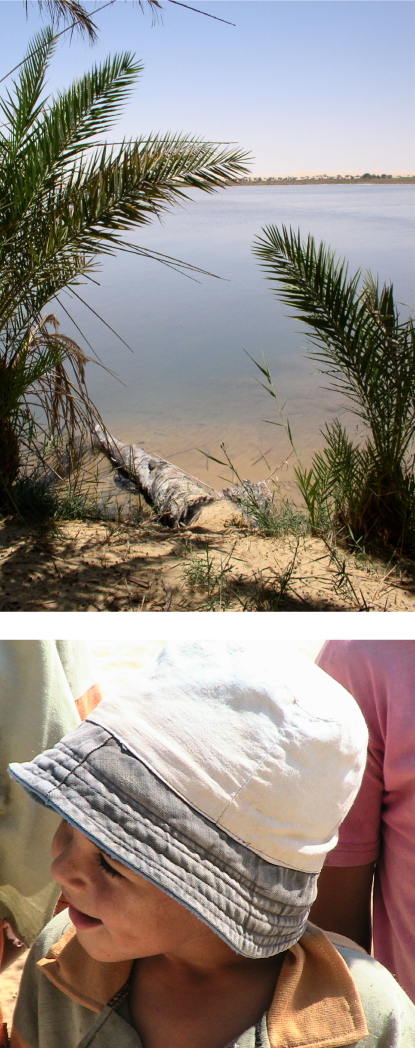
Siwah Oasis - West Desert - Egypt, a small distant oasis in the Egyptian western desert, has a very unique culture and rich history. Difficult transportation kept Siwah isolated from the changes that happened to the Egyptian culture, except for the major transformation such as the introduction of Islam, the base of the culture. The religion was introduced to Siwah because oasis was on the pilgrimage route from Morocco to the Arab-peninsula. The isolation factor has made it a rich pristine place.
Proposal
Siwah a small distant oasis in the western Egyptian desert, has a unique culture and rich history. Difficult transportation kept Siwah isolated from the changes to the Egyptian culture, except for the major transformations, such as the introduction of Islam, the base of the culture. The religion was introduced to Siwah because the oasis was on the pilgrimage route from Morocco to the Arab peninsula. The isolation factor has made it a rich, pristine place. In 1985, the first paved road to Siwah was finished, connecting Siwah with the Northern coast at Marsa-Matroh and the west of Alexandria. The lack of cultural acceptance of foreigners made it difficult for archaeologists and tourists to visit Siwah and gather data. Ahmed Fakhry, the historian, talks about a European scientist that visited Siwah to study the historical sights. To receive acceptance into the culture, he pretended to be a Muslim. But when he did not go to the mosque five times a day for prayer, the natives realized he was not a true Muslim and no longer welcomed his stay. However, recently, Siwaah became a tourist area and the cultural acceptance issues virtually disappeared.
As much as this may be economically beneficial to the community, the flow of tourists into town is creating awkwardness within the Siwan culture and private life. Due to the interactions between the natives and the tourists, some natives have started to change. Different kinds of tourists are welcome in some places and not in others, depending on the tourists’ backgrounds and visiting objectives. Western and Egyptian metropolitan cultures are different from the Siwan ones. Some awkward moments result in misinterpreting women tourists’ wardrobes, as they are considered more liberal than that of the native women, and non-Muslim tourists’ limited knowledge of religious rituals, for example, not walking in front of a person that is praying (cutting the prayers’ path). Thus, the interactions should be subtle in certain areas and direct in other areas.
As many places veiled from the modern world, its occupants are eager to use the new and the modern and abandon their own lifestyle. The fast pace of modern Western technology and life has come into town with the tourists, even though it is incompatible with the Siwan Culture. It is starting to impact the culture. Such impact is shown in how Siwans started building their houses, neglecting their vernacular techniques and using concrete. The use of concrete is a statement of using the new technology (from a native’s point of view). One walks into the new-built houses in Siwah and realizes how hot they are because of the use of concrete. However, Siwans do not understand all the aspects of this technology because they do not fully understand its specifications.
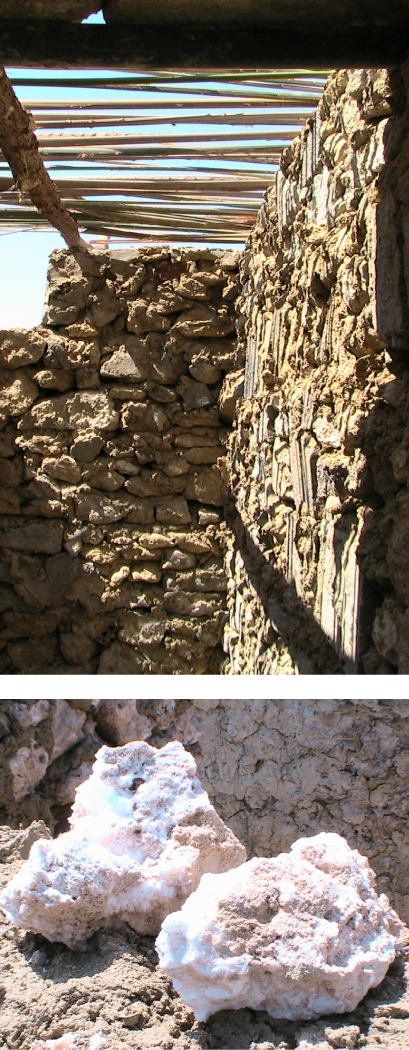
The vernacular architecture in Siwah is exemplified in the earlier versions of the Siwan home. It is either built by the owner and his family or by hiring a friendly builder who may relate to the owner. These houses are built with a variation of the adobe construction (Built with “Kharshif” bricks). These kinds of earth bricks are rocks of salt broken off a layer of soil created by evaporated spring water, which leaves behind hardened salt and minerals on the top layer. The natives break this layer into regular size stones and stack them while using earth as a mortar to fill the gaps. The karshif wall has all the benefits of an earth wall (for example, thermal mass).
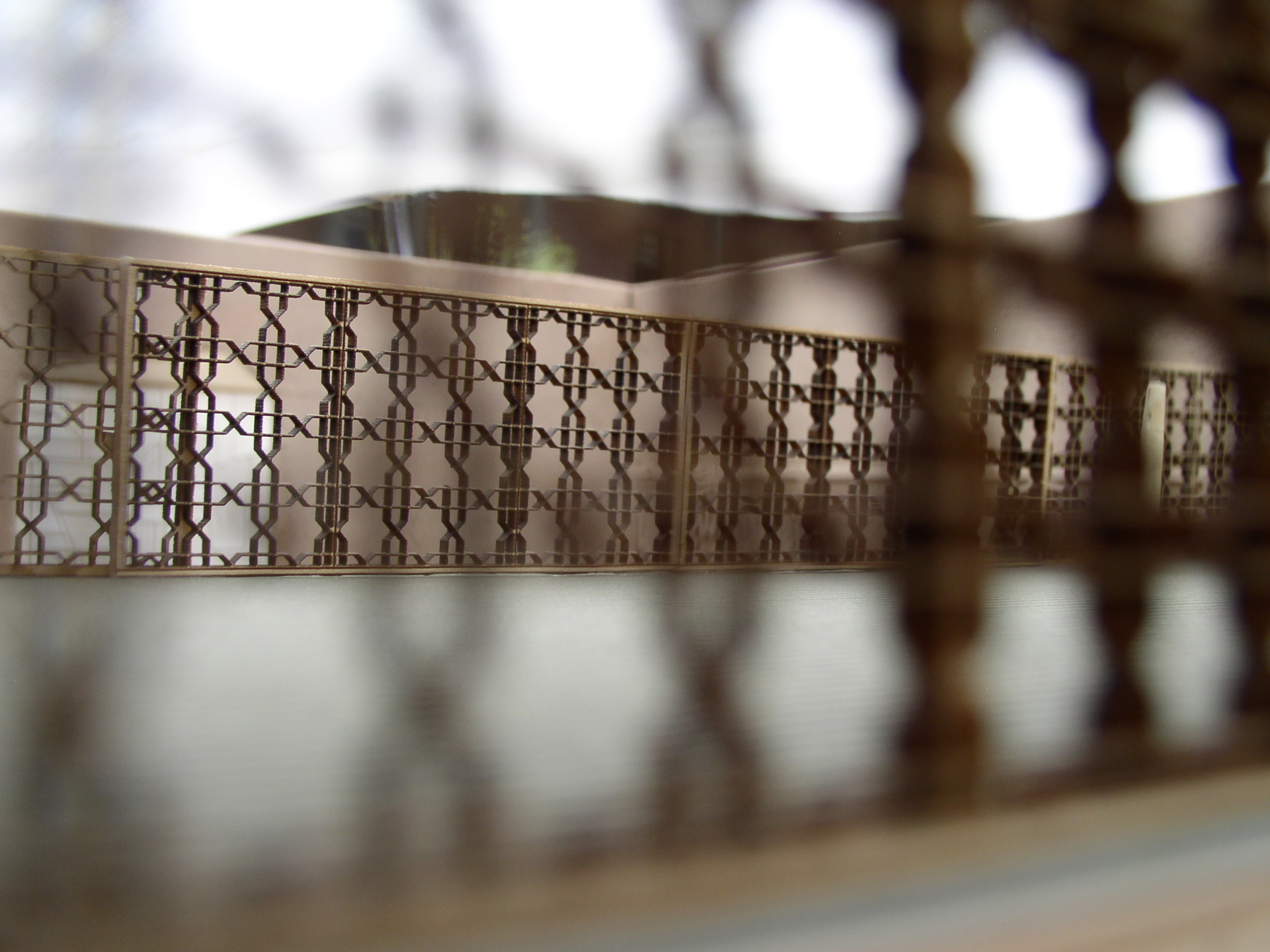
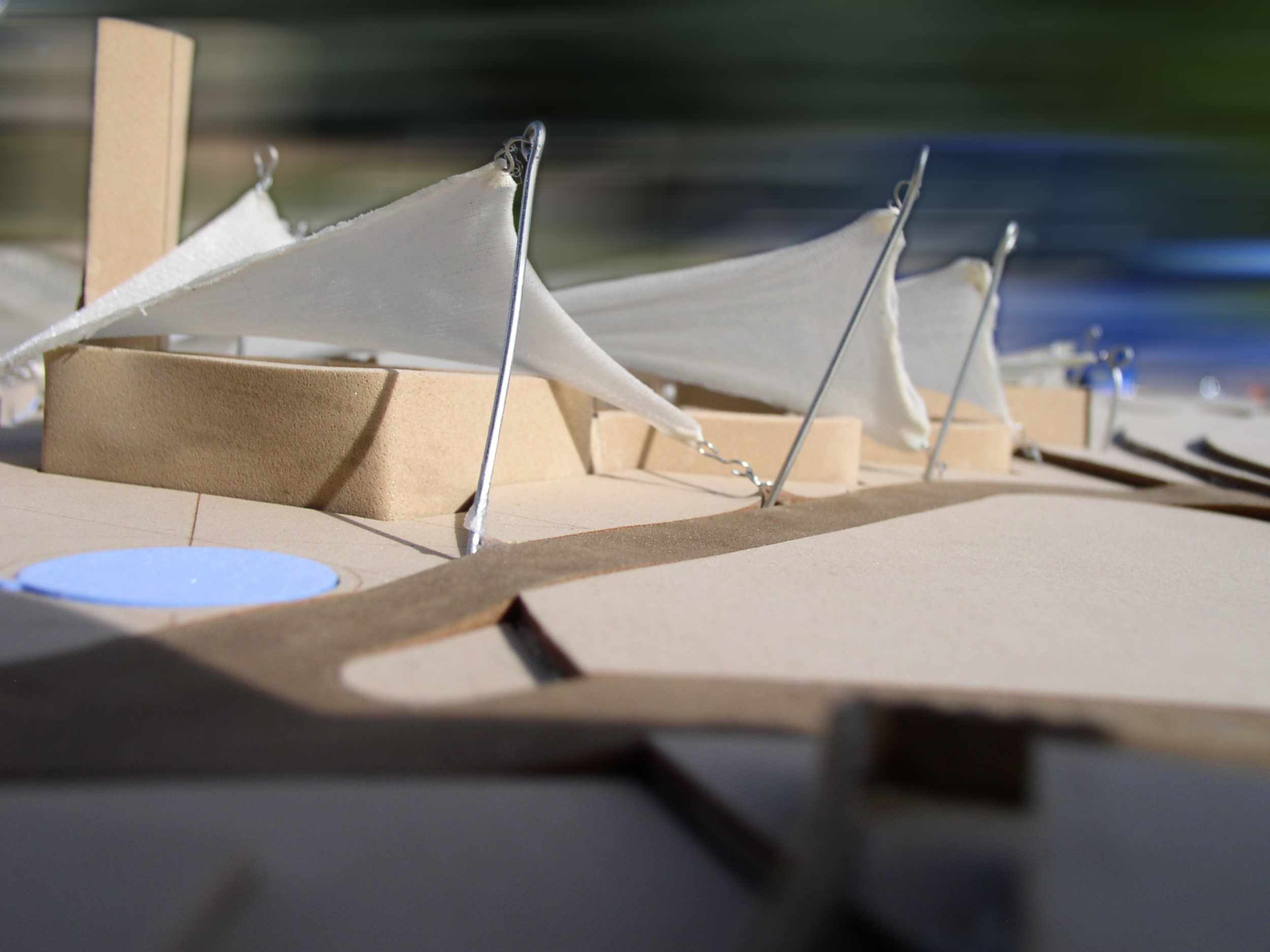
I propose a building to show the impact of modern life and technology on the Siwan culture and how it changes. This building would be for the community and the tourists, where they can interact directly, in parallel, or with detachment. For example, a detached interaction zone includes a place for the heads of families and a religious judge to gather to discuss the community’s affairs. On the other hand, religious celebrations and customs are activities that tourists are welcome to participate in directly. Celebrations are held outdoors in the center of the city close to Shali. Outdoor locations do not allow certain groups, such as married women, elderly natives, or groups usually isolated or unable to participate. The proposed building will have an indoor and an outdoor area for celebrations to allow all groups to experience cultural events naturally.
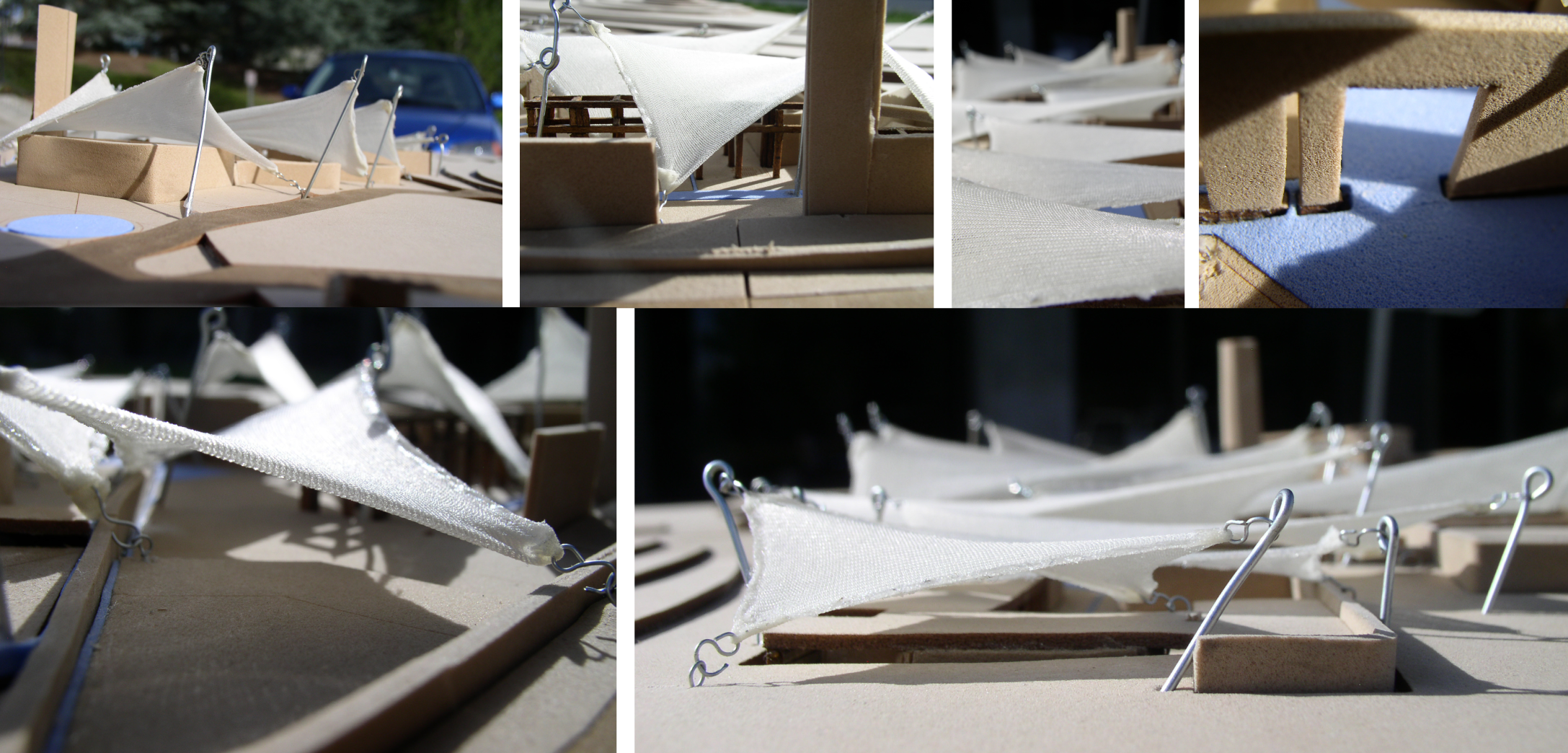
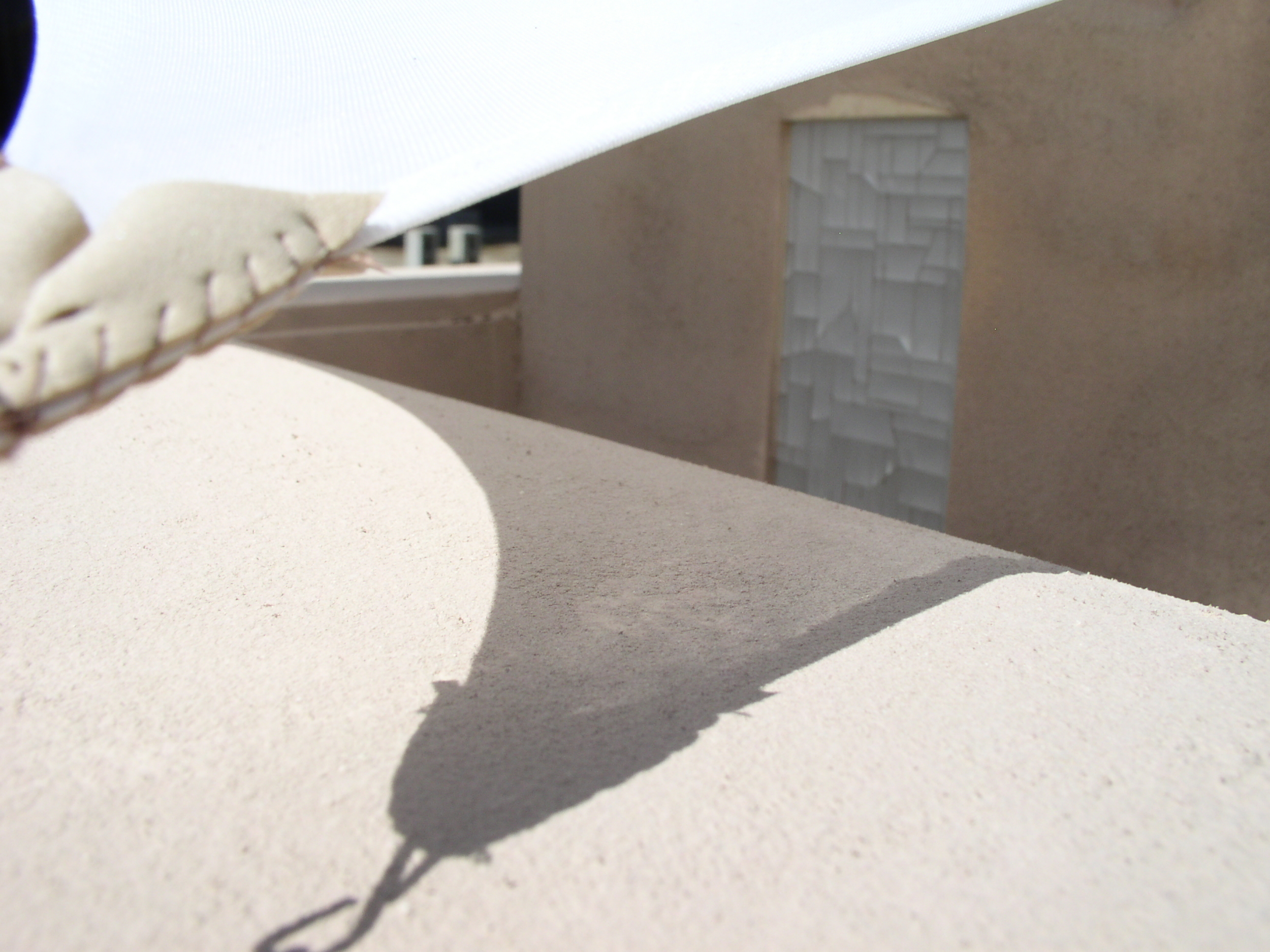
The aim is to build with the region's vernacular materials (karshif). Also, the structural design will be based on the characters and specifications of karshif. In addition, ecological architectural responses, such as building around courts, adding pergolas, and wind catchers, will be incorporated. The resemblance of their home building motivates the natives to participate for many reasons. One reason is for a sense of ownership; the community will understand that this building is for them as much as for the tourists. Another reason is that when they participate, they will customize this modern building by understanding the building technology and responding accordingly.
Introducing the new technology trend (digital) into their building ways without ruining their rich existing architectural character suggests synthesizing both their design processes and the digital technique. However, using digital technology in architectural design is a broad expression, as it could affect the process in many ways. One approach is to use this technology to mathematically generate new forms built with karshif, based on the physical specifications of the material. In another way, new ecological architectural elements could circulate the air and insolate extreme temperatures.
Full thesis can be found at the University of Utah Library
Community Center, Siwah, Egypt